How One Hospital Improved OR Turnaround with Smart Tray Systems
Efficient operating room (OR) turnaround times are critical for maximizing patient throughput, minimizing delays, and enhancing surgical team performance. One hospital recently achieved significant improvements by implementing smart tray systems—an innovative solution designed to better manage surgical instruments. This case study explores how these systems improved OR workflows, reduced instrument preparation time, and enhanced overall patient care.
The Challenge: Delays and Inefficiencies in OR Turnaround
Like many healthcare facilities, the hospital struggled with several recurring issues:
-
Inconsistent availability of instrument sets
-
Lengthy sterilization and assembly processes
-
Frequent instances of missing or misaligned instruments
-
Communication gaps between Central Sterile Services Department (CSSD) and OR staff
These challenges caused delays between procedures, increased patient wait times, and reduced the overall efficiency of surgical teams.
The Solution: Implementing Smart Tray Systems
To address these problems, the hospital adopted smart tray systems—specially engineered surgical trays designed for:
-
Faster and more efficient sterilization
-
Organized and intuitive instrument storage
-
RFID or barcode-enabled tracking for better inventory control
-
Compatibility with automated washers and autoclaves
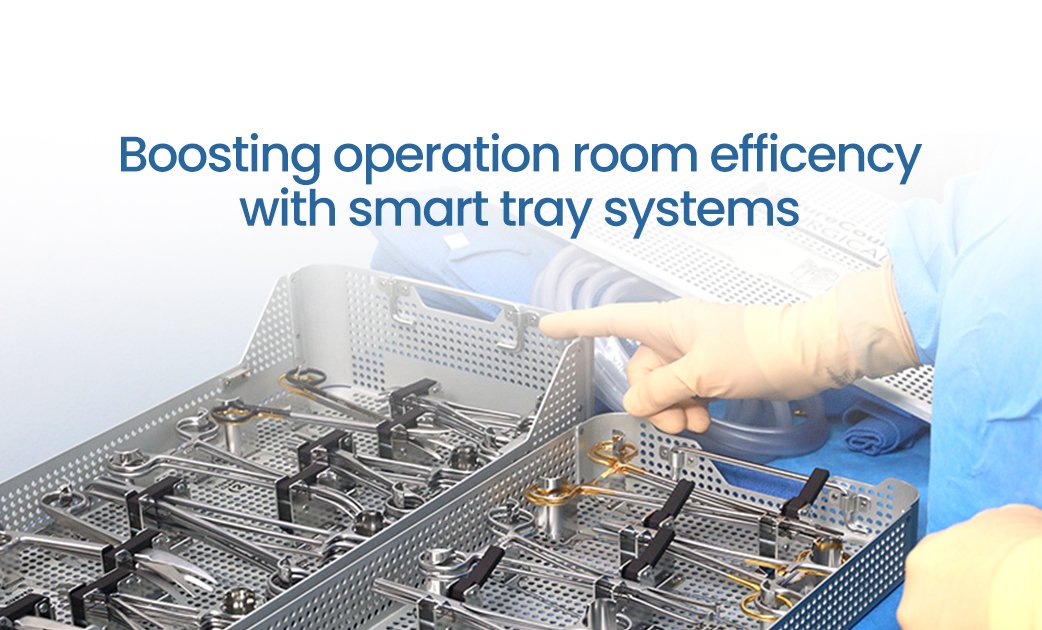
Constructed from high-quality, perforated materials, these trays allowed quicker drying and sterilization. Each tray was tailored to specific procedures, eliminating unnecessary tools and streamlining setup.
Implementation Process
The transition to smart trays involved a coordinated, multi-departmental approach:
-
Collaboration among CSSD, OR staff, and biomedical engineering teams
-
Custom tray layouts designed for different surgical specialties
-
Training for staff on new workflows and digital tracking systems
-
A phased rollout across multiple OR suites
Within weeks, the hospital began seeing noticeable improvements.
Results: Measurable Improvements in Efficiency and Safety
The implementation of smart tray systems led to several quantifiable benefits:
-
OR Turnaround Time Reduced by 28%
Faster sterilization and more organized instrument setup cut time between surgeries. -
Instrument Errors Decreased by 40%
Better tray layout and clear labeling reduced instances of missing or misidentified tools. -
CSSD Workflow Improved by 35%
Easier-to-clean and assemble trays lowered the workload on sterile processing staff. -
Enhanced Staff Communication
Standardized trays made coordination between OR and CSSD teams more straightforward, decreasing last-minute requests and confusion.
Why Smart Tray Systems Work
Smart tray systems deliver efficiency by:
-
Standardizing instrument organization for each procedure
-
Reducing manual handling and contamination risk
-
Using materials that accelerate drying and sterilization
-
Enabling real-time digital tracking for better inventory control
These improvements lead to more consistent OR scheduling and higher staff satisfaction.
Key Takeaways for Healthcare Facilities
Hospitals aiming to boost OR performance should consider smart tray systems for their proven advantages:
-
Reduced surgical delays
-
Improved staff productivity
-
Safer, more reliable patient care
-
Lower instrument loss and replacement costs
Final Thoughts
This hospital’s successful OR turnaround transformation highlights the significant value of smart tray systems. By optimizing sterilization processes, improving instrument tracking, and minimizing preparation time, healthcare facilities can achieve faster, safer, and more efficient surgical care.